What is Poaching?
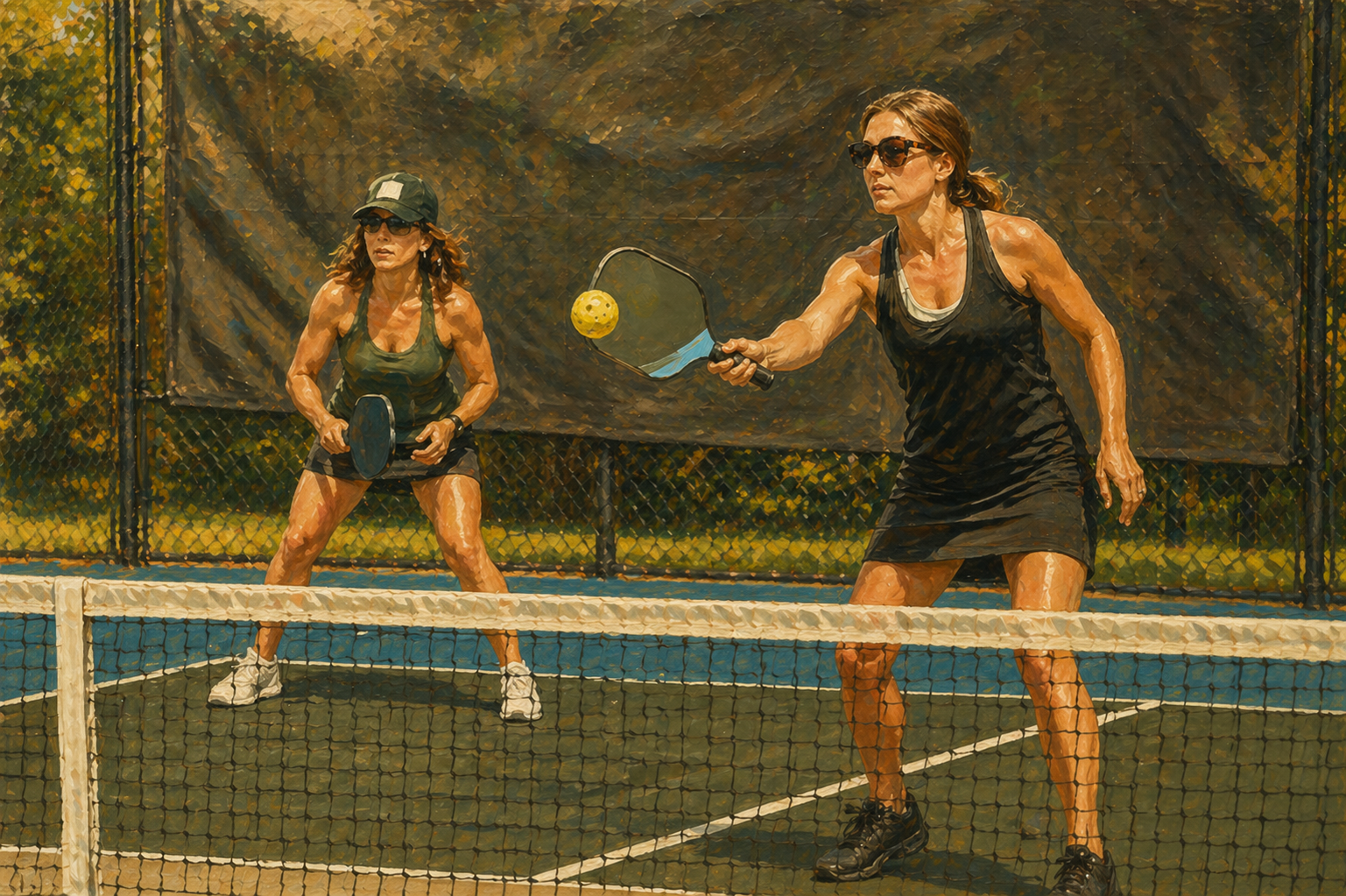
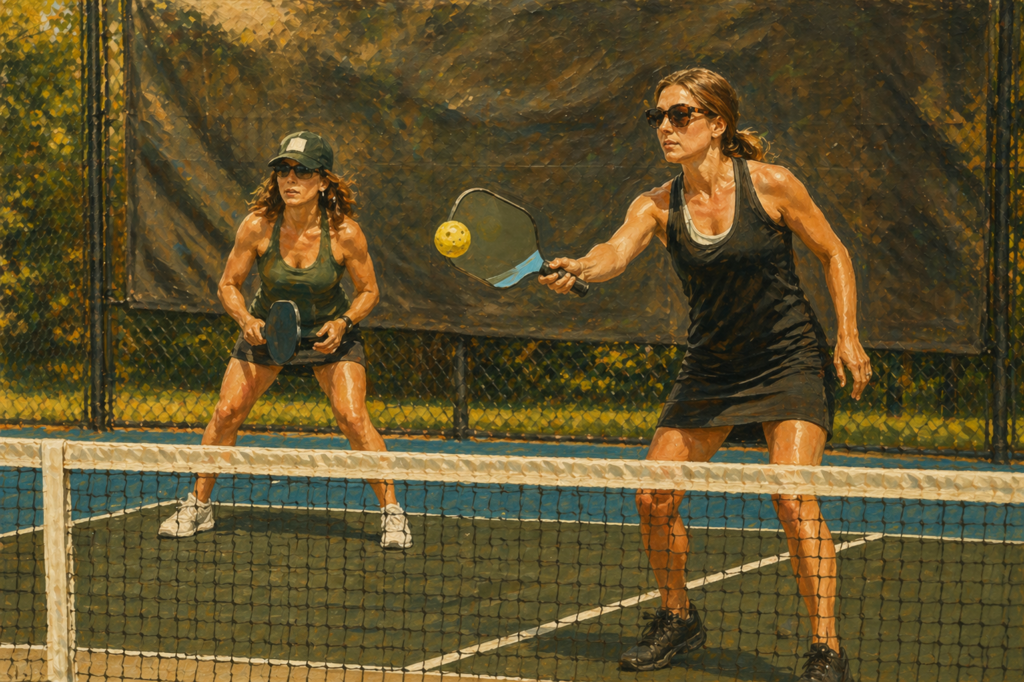
In Pickleball, Poaching is when you move into your partner’s side of the court to intercept a shot going towards them because you anticipate that you’re in a better position to win the point doing so.
Most pickleball players don’t lose points because they can’t hit the ball, they lose because they don’t take the ball they should.
With Poaching you can level up your doubles game faster, but you can also annoy your partner even faster if it goes wrong.
It isn’t about technique but timing. With court awareness and little bit of social intelligence you can get it right.
It’s not the lack of skill of the player that messes up the shot, the poaching is about how you think about the game.
Most players treat the doubles game like two separate singles players sharing a court. You stay on your side and so does your partner. During the game when anything comes in between, that’s where the problem arises. The hesitation of taking the call often results in losing the point.
Another reason is fear of annoying your partner, you think “What if my partner gets annoyed?”
This thought makes you hold back and that very shot results in a weak return from your partner and suddenly you find your game mode changing to defensive.
On the other hand, some players do too much poaching. Even if their partner is in a better position to return the shot, for no reason they’ll interfere with the shot and give away free points to opponents. That’s a bad strategy and only creates chaos on the court. The other partner will be frustrated having no idea about who’s going to take the next ball.
In any case the root of all this is what I’d call in the ‘ball ownership’ trap. The idea of assigning each shot to someone by default is totally wrong.
In doubles, the only thing that matters is ‘Who can take a better shot right now?’
Most players take a long list of mistakes to realise one simple thing ‘hesitation costs more points than making a wrong call’.
The 3 Situations Where You Should ALWAYS Poach
Let’s be clear and straightforward about where you must poach. It does not require guessing, the decision to Poach in Pickleball is almost automatic. If you are unable to decide, you’re missing easy points.
When the ball is high and slow
The ball floating above net height should be treated as invitation. Especially if it’s near the middle or within your reach you should take it. If you let that opportunity pass by, the same can turn into a long unnecessary rally instead of an easy point you probably could’ve scored.
Your Opponent is out of position
Your opponent got pulled wide while returning a shot or they’re off balance or simply they are sloppy on the court, that’s your signal to Poach. You can end the point before they stand a chance to reset.
Ball is sitting in the middle
The middle ball often creates confusion. Most players freeze up thinking maybe the other partner will take it and nobody makes a move. Don’t be like one of those. Middle creates some of the best poaching opportunities as you can take them earlier and hit them at a much better angle.
So whenever you are in any of these three situations, don’t overthink and go for it. Because hesitating there can cost you the game. You are not being rude here, you are playing to win.
When Not to Poach
So far, poaching seems to be fun. Right? Until you start doing it just because you can.
After figuring out how it works, a lot of players start poaching everything by moving sideways. Suddenly they see every ball as an opportunity to poach when it’s not.
1. When the ball is fast and low
This is the worst time to poach and it becomes even worse if you’re already a step behind. Let that ball pass through to your partner who can judge it better and take that shot. Jumping in at the last second will ruin the potential good return. Besides the chaos it’ll create as both of you will be reaching for the same ball resulting in poor execution of the shot.
2. When the ball is out of your reach
If you have to lunge across the court for a low ball, that’s probably going to lose you points. In one word I would call it ‘Gambling’ as in such situations, usually odds are not in your favor.
3. Ego Poaching
The above two might happen by mistake but this one is always intentional and dangerous too. You start poaching to make something happen. You might win a point or two but it’ll cost trust with your partner.
To summarise, a good poach is simple, less risky and can be played with zero confusion.
Simple rule: If the ball is too low, fast, or already clearly your partner’s shot don’t hit it.
Poaching System to keep in your mind when on court
A Poaching system will help you to decide outcomes of the shots without putting too much thinking effort on it. Keeping the system will free your mind from hesitation and overload of processing too much at once.
Read → Decide → Commit.
Read the ball and opponent (high, slow, is the opponent off balance?)
Decide – if the ball is attackable decide early. Either go or don’t but you have to be fast.
Commit – Once you decide, the ball is yours. Call for it and step in with confidence. Don’t hesitate at this step.
Use this system and your poaches will feel easy and smooth.
Poaching Communication Basics
In order to avoid the confusion and possible misunderstanding with your partner, the communication during the game matters.
You can simply give a call with words like, ‘mine’, ‘going’, ‘yes’ and that will prevent all the confusion in doubles.
Discuss it before the game starts.
Tell your partner that ‘If the ball is floating in the middle, I’ll take it’. This will give your partner clarity and what to expect.
Common Poaching Mistakes
Poaching is and should be used to win points. Doing it unnecessarily can create problems for you instead of your opponent. Here are some common Poaching mistakes to avoid
1. Hesitation
Most of the Pickleball players hesitate when they are about to make a move and then doubt themselves halfway. Hesitation at this moment will certainly cost you a point. Your partner will get confused and nobody will take the ball.
So, if you’ve made up your mind to Poach, don’t stop, just go for it. It is better to be confidently wrong early than being right with a good decision made late.
2. Moving far to Poach
You are looking for an opportunity for poaching but the right ball is not showing up. Suddenly you see the ball going high but it’s on the side of your partner.
You desperately run to get that shot right to the other half of the court, and get a perfect poach executed. In return your opponent effortlessly hits a dink on the open space that you left and wins the point.
3. Recovery from earlier shot
During a rally, a single aggressive poach doesn’t count as efficient. The rally is still alive and you need to recover fast before the shot comes back. Recovering and resetting into position is more important than Poaching with no results.
4. Predictability
The smart opponent will catch your poaching style and they will strategise their game accordingly. If you are poaching the same way every time, they’ll expect the move and use it against you.
How to Practice Poaching Without Ruining Games
Practicing Poaching during games can be tricky. The opportunity to execute Poach will not be frequent. And you don’t want to mess up the game for the sake of practicing.
Don’t force this newly acquired skill into every single rally. Instead start Practicing in small doses, for example go for high, slow balls near middle balls which are the easiest opportunities.
You don’t need advanced timing for these types of balls, as they are low-risk chances. Plus you will build up confidence for playing the shot.
So during the game you can start with the below plan for practicing a proper Poach.
- Poach one high middle ball
- Make one early call of “mine”
- Recognize three chances, even if you don’t take them
With this plan you won’t unnecessarily be jumping around the court just to find opportunity.
One clean poach per game over several sessions will be much more helpful than forcing every single shot into Poaching.
Conclusion
Poaching should not turn into the game of ego.
If you keep on crossing over, attacking balls everyone else will assume that you’re just trying to do too much. And honestly, sometimes that’s true.
Don’t try to be loudest or flashiest player on the court, keep yourself calm, read the situation and execute when it’s needed. Nobody needs to notice what you did. That’s the place where you want to be at, knowing when to attack and when to get out of the way.
And also understand this – poaching is just one piece of good doubles play. If you can communicate well, position yourself with patience and trust in your partner the game will automatically improve.
You should be decisive and confident and not reckless and controlling. There is difference between poaching and acting like you’re playing alone.
If you’re taking every middle ball, cutting off easy shots, or treating your partner like a spectator, the problem isn’t poaching. The problem is awareness.