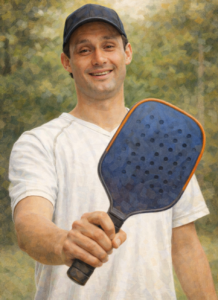
Can You Play Pickleball After Knee Replacement?
Yes.
Many people have returned to Pickleball after knee replacement.
However returning back to normal routine is conditional and not to be taken as absolute. Let’s see whether these conditions fit you based on other Picklers who have undergone knee replacement and now are perfectly fit for playing Pickleball.
It is not just about surgery, the answer depends on when and how too.
But let’s look into how knee replacement affects any average person.
Knee replacement is done to reduce recurring pain and restore the capabilities of the knee to function properly. However, many people mistake it as making their joints immune to stress.
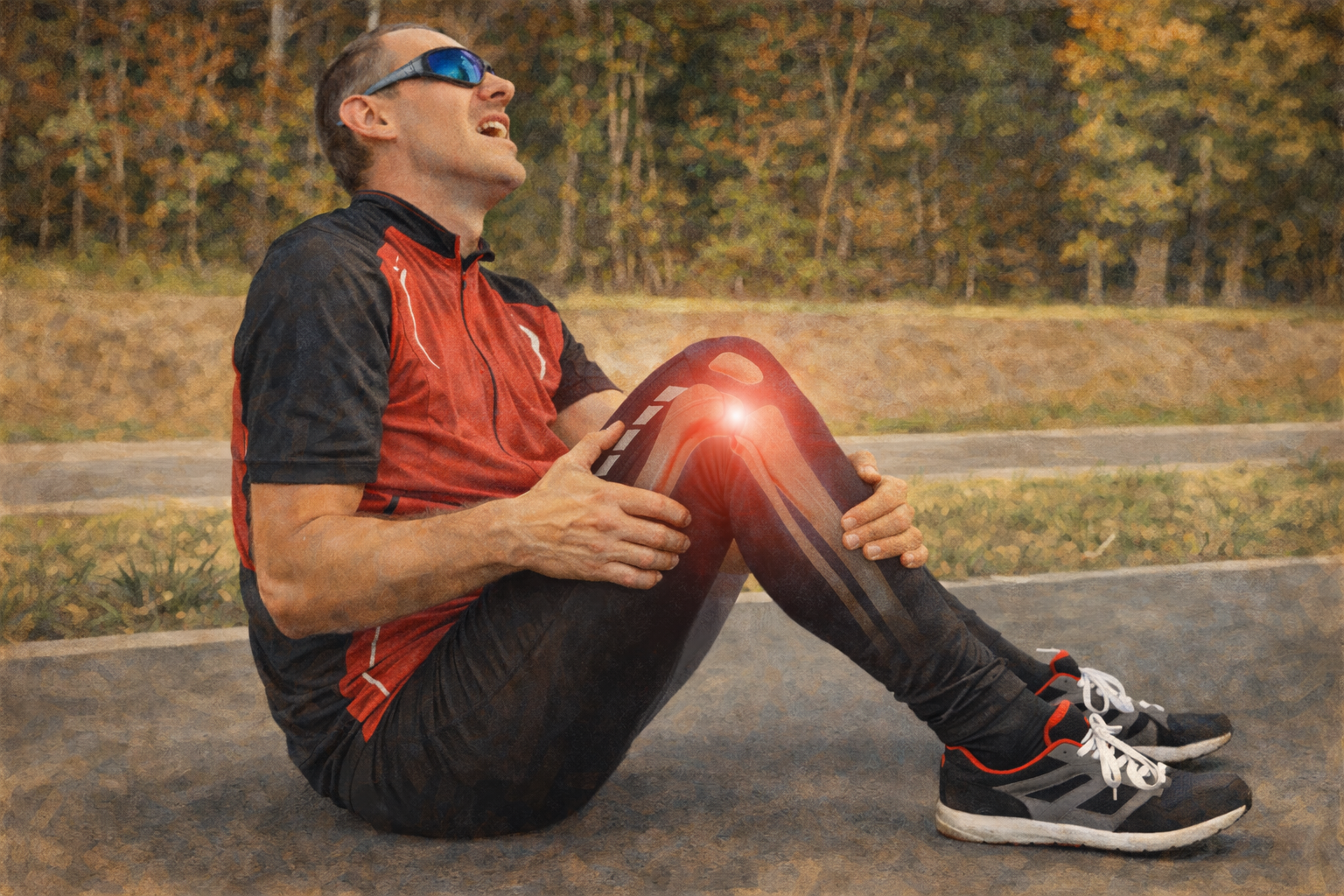
Many Picklers say they feel confident during daily activities but as they step onto court, their knee feels discomfort and swelling.
Even though Pickleball is a low impact game, it involves many quick movements such as direction changes, lateral shuffles and sudden stops. And these moves put extra load on your replaced knee, which is not the same as walking or cycling.

Surgical clearance or feeling good during normal activities is not a green signal to return back onto court. If you are really desperate to come back, then the progression should be gradual.
The strength, coordination and endurance take months of time for improvement.
There are real-world experiences of Picklers who were overconfident while assessing their ability to play. They went straight to the court playing aggressively and put them back-foot.
The recovery is gradual and so the return should be too.
Give enough time to your body for recovery, gradually start playing doubles, limit your movements on court and you will experience a smoother return.
When Can You Safely Return to Pickleball?
So the real question now becomes, when should I start playing Pickleball again?
Most of the people who feel comfortable for daily functions first and want to join sport as soon as possible. But, as per the rehabilitation research, the sport readiness comes much later than when you are good with daily functions. For Pickleball, the safe return to sport is cited between three to six months.
Here’s how recovery timeline looks like
First 6-12 weeks, the knee is adapting to changes after surgery. You feel minimal pain and ease while walking. However during this time, the surrounding tissues of the knee are not healed completely.
You can’t perform lateral movements and quick stops as per demand of the game. People who have tried to get back during this period have reported swelling or soreness for a long time afterward.
3-6 month window is considered to be safe for many Picklers to return. However this return should be taken with caution. Keep in mind that your knees and body are starting again after a long pause. Don’t expect yourself to be at the same skill level before you left the court for surgery.
At this point, sports physiotherapists suggest that one should return to the court with extra caution. Start with doubles play only, don’t move too much during the game, keep sessions shorter and don’t stress for the shouts that are out of reach.
At this stage, you are realigning your body for Pickleball. Strength and balance are still improving but repeated moving on lateral sides will stress your knees.
Beyond six months, most Picklers have gained strength and coordination for the game. However, this is still not a green light for going aggressive on court. Sudden aggressive play can trigger pain in the knee.
The speed of healing is different for all individuals depending upon genetics, active lifestyle and age. Those who understand their body and make slower but gradual returns win in the long term.
What are Common Issues After Knee Replacement
Understanding the other players’ experiences regarding problems faced by them after knee replacement can give you insights about what to expect after surgery. Recognizing the problems early will only help you to avoid them so that you can recover faster.
The most commonly reported problem by Picklers after knee cap replacement is swelling after play. Many have shared their experience that during the game was smooth and painless, but after it was over, the knee became stiff and swollen the following morning.
The next commonly reported problem is, ‘It feels fine during a game with forward and backward movements, but when you switch to side-to-side movements, the pain starts arising. Wide shots are out of question in such situations.
This happens due to the knee tissue after surgery is still in recovery mode, and if you put even little stress on it, the symptoms like above show up. Many players take medical clearance as the permission for full fledged tournament level play. Such overconfidence only leads to prolonged set-back in recovery.
By the time you need knee cap replacement, you are well above 45 years of age and that means your body doesn’t work as fast as your mind. It takes more time to recover than it used to 20 years earlier for you. So, don’t label pain arising in the knee as surgical failure. You are asking your knee to tolerate extra stress without full recovery.
Red Flags to Look for before Jumping back to court
It is normal to experience occasional mild swelling during recovery, but if you are experiencing persistent swelling lasting for longer periods like 24-28 hours even after light activity, it’s better to stop and wait for another week or two after medical advice.
Any activity during play which is worsening your pain is nothing but a warning from the body that it is not recovered fully yet.
Don’t mistake the increased stiffness and reduced range of motion after play for normal post workout fatigue.
The biggest red flag is relying on pain medication for games or recovery. You need to pause and let the body take time to heal itself. Stepping back is the best thing you can do when such issues arise.
The Realistic Expectations After Knee Replacement
Having realistic expectations about recovery after surgery will help you more than anything. Knee replacement surgery is meant for reducing recurring pain in knees.
The knee joints implanted are artificial, strong and durable, that doesn’t mean your knees will become invincible after the surgery. Activities such as walking and cycling will be easier during the initial phase of recovery. However the lateral movements of the game will not be tolerated during this phase.
You can’t rely on the same feedback from the knee as it used to be before surgery. The things might feel comfortable for you at the moment and suddenly it can turn into ugly soreness.
The key here is to give as much time for recovery and as less time to straining the knees for sustainable return to play.
How to Return to Pickleball Safely
You have worked diligently towards recovery. You didn’t stress your knee, and remained cautious throughout the recovery period of 3-6 months. Is it clearance to return back to court? To answer this, you need to follow the standard self check process.
Monitor how your knee responds over next 24 hours after a small 15-20 minutes session
- A mild stiffness is acceptable
- Swelling in knees is signal to stop
Follow light warm-up routines before every game and before going all in, consult your doctor, as they are in a better position to guide you based on medical history.
Will Pickleball Shorten the Life of Your Knee Implant?
Recreational Pickleball when played as we discussed so far is unlikely going to shorten the life of knee implant.
Pickleball demands activities such as repeated direction changes, high loads on knees. These are more prominent during the singles game.
Moderate efforts with doubles games and keeping shorter sessions automatically will keep your implant safe. Anything opposite to that will flare-up knee implant issues. It won’t come as sudden implant failure, but over time it will build up cumulatively, shortening the implant life.
A post-play swelling or soreness doesn’t necessarily mean damaged implant. It could be soft tissue overload.
Is Pickleball Better Than Other Sports After Knee Replacement?
Pickleball is a relatively much safer alternative compared to other racket sports where a player maintains moderate efforts. Let’s see where it stands as a good alternative to stay active after knee replacement.
Compared to Tennis, Pickleball has a smaller court and less running for covering the court. This reduces overall impact on joints. Doubles is always a sensible choice.
Walking and cycling are better and much safer than Pickleball. As your knee will tolerate the linear and forward motion stress better than other types of loads.
Swimming is another alternative where the stress on joints is almost negligible.
However these activities will take longer for developing balance and coordination on court.
Pickleball is indeed an ideal low impact sport but don’t mistake it as low risk.
Conclusion
The recovery is not about the number of X number of days or months. It should be about assessing how well your knee is handling demands of the game.
Start by assessing the everyday functions such as walking and climbing stairs. Assess the movements based on how good comfort and control are in addition to being pain free. If these movements are at the same level before the surgery, you are confident about these movements you can go on to the next level.
During initial stages being very careful will save you long setbacks. Don’t judge improvement based on only one good session. If you want to return safely to your routine, it has to be slowly without getting excited with small achievements. Make a rule for yourself, unless and until I complete 6 months, I will keep my game at low intensity. Max 15-20 per session and if any pain or soreness comes up rest for a week and again come back.
Recovery is not going to be instant, it is a slow journey which you need to walk one step at a time without breaking the rules.
Medical Disclaimer:
This article is for educational purposes only and does not replace personalized medical advice. Always consult your orthopedic surgeon or licensed physical therapist before returning to sport after knee replacement.
This article was created using peer-reviewed research, orthopedic guidelines, and published physiotherapy recommendations. It is not a substitute for professional medical care.